

Cart
0
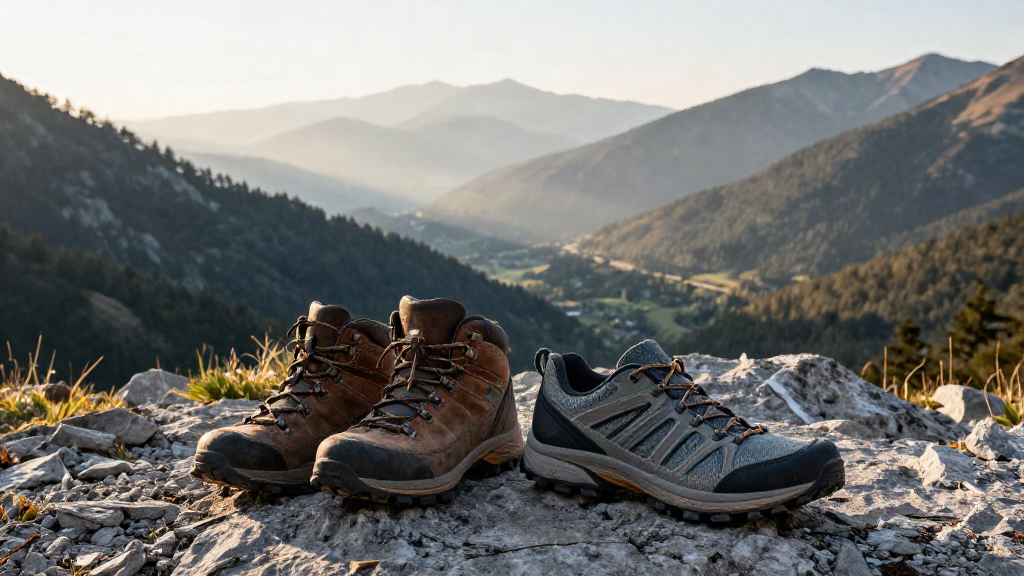
If you have been searching for "avon boot" advice, you are probably standing at the trailhead of a very practical question: should you hike in boots or trail shoes? Both will get you up the mountain. They just do it in different ways, and the one that belongs on your feet depends on the trip you are planning, not on which pair looks tougher.
This guide breaks down the real differences, then helps you match footwear to your terrain, your pack weight, and your pace, so you can head out confident instead of curious.
The short answer
Choose hiking boots when you are carrying a heavy pack, walking rough or unpredictable ground, or heading out in cold, wet, or shoulder-season conditions. Choose trail shoes when you are moving fast and light on established trails in warm weather, or when you want something that dries quickly and packs down small.
Everything else is a matter of degrees, and most hikers end up owning both.
Boots vs. trail shoes: the honest comparison
| Feature | Hiking boots | Trail shoes |
|---|---|---|
| Ankle support | High | Low to moderate |
| Weight | Heavier | Lighter |
| Underfoot protection | Thick, stiff sole | Flexible, close to the ground |
| Water resistance | Often waterproof | Usually breathable |
| Break-in | Needs time | Ready out of the box |
| Best load | Heavy packs, multi-day trips | Day packs, fast miles |
| Best terrain | Rocky, steep, muddy | Groomed, dry, rolling |
| Drying speed | Slower when soaked | Fast |
When a hiking boot earns its place
Ankle support is the headline benefit. When you are carrying a heavy pack for several days, a boot's stiffer platform and higher cut help stabilize your foot on loose scree, wet roots, and steep descents.
Boots also win on protection. A thicker sole shields your feet from sharp rocks, and a sturdy upper keeps cold wind, mud, and shallow puddles away from your socks.
If your hikes involve cold mornings, stream crossings, or terrain you cannot predict, boots give you a margin of comfort and confidence that a lighter shoe simply cannot match.
When trail shoes are the smarter pick
Trail shoes trade some support for speed, and for a lot of hikers that is a worthwhile deal. A lighter shoe means less fatigue by the end of the day, which matters on long climbs and repeat weekend trips.
They breathe better, so your feet stay cooler in summer heat, and they dry far faster if you get them wet. They also take up less room in a pack, which makes them easy to bring along as a spare pair around camp.
On well-maintained trails, rolling hills, and fast day hikes with a light pack, trail shoes are simply more fun to walk in.
Fit matters more than the category
Here is the truth no spec sheet will tell you: the right boot or shoe for you is the one that fits your foot shape. A perfectly reviewed boot that pinches your toes will ruin your weekend faster than any technical shortfall.
A few things to check before you commit:
- Toe room: you should be able to wiggle your toes without them jamming the front on descents.
- Heel lock: your heel should stay put when you walk uphill and downhill.
- Width: some feet need a wider fit, and squeezing into a narrow shoe causes blisters.
- Socks: try footwear on with the socks you actually hike in.
Break boots in on shorter walks before a big trip, and never take brand-new footwear on a long or technical route.
Where Avon Outdoors fits into your kit
Footwear is only one part of a hike that feels good. At Avon Outdoors we focus on the rest of the kit that carries and supports you on the trail, and every piece is chosen to be dependable and good value, whether you are a weekend camper or planning a longer expedition.
- The 60L Outdoor Hiking Camping Travel Backpack swallows gear for multi-day trips, so a bulkier boot and a spare pair of socks have somewhere to live.
- Aluminum alloy trekking poles (straight, folding, or telescopic) take pressure off your knees and add stability, which is especially welcome on long descents in heavier boots.
- The 610ml Outdoor Cycling Water Bottle keeps hydration simple on fast, light day hikes in trail shoes.
- A quick-open camping tent and a camp kitchen rack round out the setup so your feet get a real rest at the end of the day.
Pairing the right footwear with a pack and poles that fit you properly is the difference between a walk and a worn-out trudge.
A simple decision checklist
Before you choose, answer these five questions:
- How heavy is my pack? Heavy loads favor boots; light packs favor trail shoes.
- What is the terrain? Rough, steep, and muddy favors boots; smooth and dry favors shoes.
- What is the weather? Cold and wet favors boots; hot and dry favors shoes.
- How far am I going? Long distances favor lighter footwear; short trips let you pick freely.
- How much ankle support do I want? More support is not a weakness, and less support is not a badge of honor.
If you are between sizes or between categories, lean toward comfort. A supported, well-fitting shoe beats a stiff, uncomfortable boot every time.
FAQ
Are hiking boots always better than trail shoes? No. Boots offer more support and protection, but they are heavier and warmer. For light, fast hikes on good trails, trail shoes are often the better and more comfortable choice.
Can I wear trail shoes on rocky terrain? Yes, as long as you are comfortable with less underfoot protection. Grippy outsoles and rock plates help, but very sharp or loose rock is where boots still have the edge.
Do trekking poles really help? They can. Poles improve balance, reduce knee strain on descents, and make heavy-load days easier, especially in taller boots.
The bottom line
There is no single winner in the boot versus trail shoe debate, only the right match for your trip. Match your footwear to your pack weight, your terrain, and your weather, then build the rest of your kit around it with gear you can trust. Wherever your journey takes you, a good fit and the right support will carry you a lot further than a label ever will.

