

Cart
0
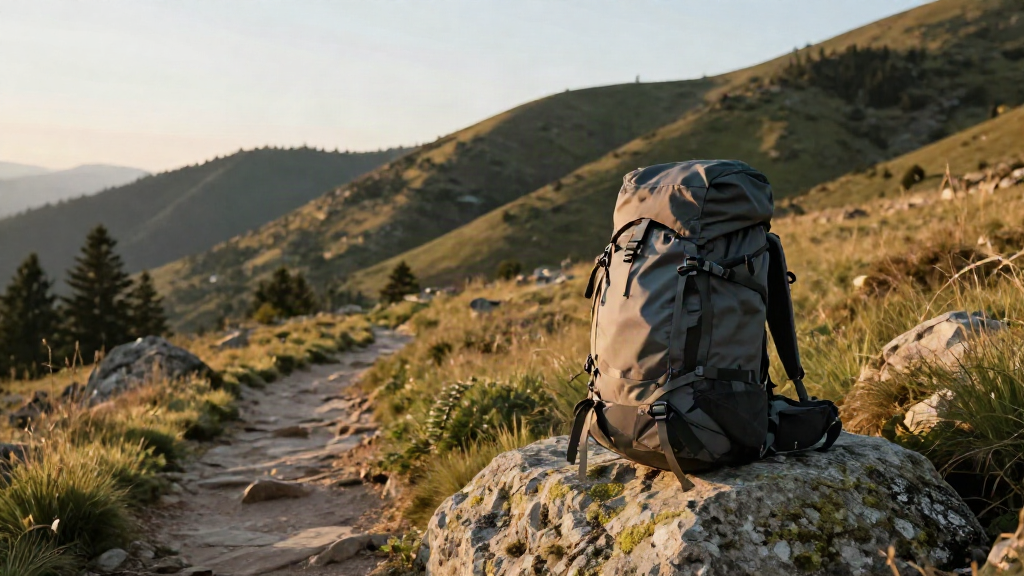
Choosing a 60L Hiking Backpack: Capacity, Comfort and Better Load Tips
Every great trip starts with gear you can trust - and for most adventurers, that means a backpack that carries the day without weighing you down. If you are getting ready for your first overnight hike or a multi-day trek, an outdoor adventures backpack in the 60-liter range is one of the smartest places to start. It is big enough for real trips, forgiving for beginners, and built to keep you comfortable mile after mile.
This guide walks you through what 60L actually means, how to get the fit right, and how to pack a load that feels lighter than it is.
What Does "60L" Actually Mean?
The number refers to the backpack's internal volume in liters. A 60L pack holds roughly 60 liters of gear - the space you need for a full overnight or multi-day setup, including a sleeping bag, clothing, food, water, and a small tent or shelter.
For context:
- 20-30L - day hikes and quick outings
- 40-50L - lightweight one-night trips
- 60L - overnight and multi-day camping with room to spare
- 70L+ - long expeditions and heavy gear hauls
The 60L Outdoor Hiking Camping Travel Backpack sits in the sweet spot: generous enough for real adventures, but still manageable for a beginner who is learning to pack smart.
How Much Capacity Do You Really Need?
Capacity is really a question about your trip length and the season.
Weekend campers heading out for one or two nights usually land on 50-60L. That gives you room for a sleeping bag, a change of clothes, cookware, and food without strapping extras to the outside.
Multi-day trekkers covering three to five nights benefit from the full 60L, especially in cooler months when clothing and layers take up more space.
Families and group trips often split shared gear, so a slightly larger pack per adult keeps everyone self-sufficient and organized.
If you are unsure, err on the side of a 60L. A little extra room is far easier to manage than being forced to leave essentials at home.
Getting the Fit Right: Comfort Comes First
A backpack only works if it fits your body, and fit matters more than any feature list.
Torso Length Over Total Height
Pack sizing is based on your torso length - the distance from the base of your neck to the top of your hips - not your height. Measure it, or have someone help you, and match it to the pack's size range.
The Hip Belt Carries the Weight
This is the single biggest comfort upgrade for beginners. A well-padded hip belt transfers most of the load onto your hips, taking pressure off your shoulders. Cinch it snugly so it rests on the top of your hip bones.
Adjust the Straps in Order
Load the pack, then tighten in this sequence: hip belt first, then shoulder straps, then the sternum strap, then the load-lifter straps. Small tweaks here make a huge difference on long climbs.
Packing Smarter: Better Load Tips
How you pack changes how the backpack feels. Try these beginner-friendly habits.
Keep heavy items high and close to your back. Place the densest gear - food, water, cookware - in the middle of the pack, centered between your shoulder blades. This keeps your center of gravity stable.
Use the compartments. A large 60L pack has multiple pockets for a reason. Keep items you reach often - snacks, maps, a water bottle, a headlamp - in side and lid pockets so you are not unpacking everything on the trail.
Pack in layers. Roll clothing and line the bottom with your sleeping bag. Fill gaps with soft items to stop the load from shifting as you walk.
Weigh it before you go. A 60L pack can tempt you to overpack. Aim for roughly 20-25 percent of your body weight for a comfortable multi-day load.
Trim the unnecessary. Do a practice pack at home, then remove anything you did not truly need. Beginners almost always pack too much.
Why the Avon Outdoors 60L Backpack Suits Beginners
The 60L Outdoor Hiking Camping Travel Backpack is designed around the things that matter most when you are starting out: dependable capacity, comfortable carry, and value that lets you gear up without overthinking it.
- Large 60L capacity for overnight and multi-day trips
- Hiking, camping, and travel ready - one pack for many adventures
- Roomy, organized interior that helps you pack in layers
- Built for comfort so you can focus on the view, not the weight
Pair it with a few trail essentials - an aluminum trekking pole for stability on descents, a 610ml water bottle for easy hydration, and an adjustable camping table rack to keep your camp kitchen tidy - and you have a setup that is ready for wherever your journey takes you.
Quick Pre-Trip Checklist
Before you head out, run through this:
- Measure your torso length and confirm the pack size
- Load the pack and adjust straps in the right order
- Keep heavy gear high and close to your back
- Test the full weight on a short walk
- Pack only what you will actually use
Frequently Asked Questions
Is a 60L backpack too big for a beginner? Not at all. A 60L pack is a versatile starting point for overnight and multi-day trips, and the adjustable straps make it comfortable even as your skills grow.
Can I use a 60L pack for day hikes? Yes - just compress the straps and pack light. A larger pack feels empty rather than awkward on short outings.
How heavy should a 60L backpack be when packed? Aim for around 20-25 percent of your body weight. Staying under that keeps long days comfortable.
Final Thoughts
A good outdoor adventures backpack is the foundation of every trip you will take. Choose a 60L, get the fit right, pack with a little discipline, and you will carry your gear with confidence - from your first weekend campout to the longer expeditions you are already dreaming about.
Wherever your journey takes you, dependable gear makes the adventure better. Find your next pack at Avon Outdoors.
