

Cart
0
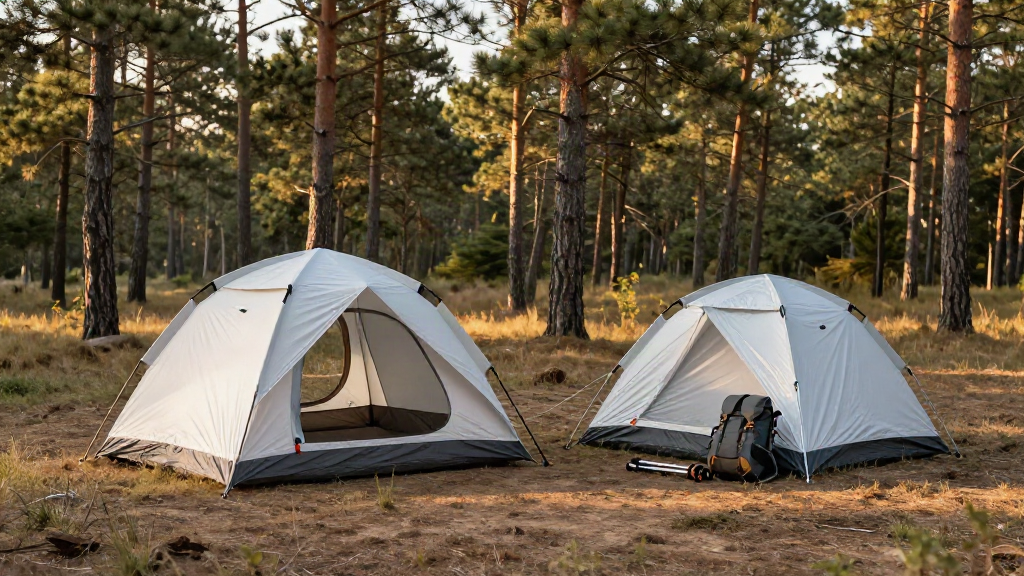
Quick-Open vs. Classic Pole Tents: Fast-Setup Alternatives Compared
There is a moment every camper knows: you arrive at your pitch, the light is already going, and there is a tent to put up. What happens next depends almost entirely on the shelter you brought. A quick open tent snaps into shape in seconds. A classic pole tent asks for a little more patience, a few more steps, and a bit of practice.
Neither style is "better" in every situation - but they suit very different trips, and knowing which one fits yours is the difference between a relaxed camp and a frustrating one. Here is how the two compare on the things that actually matter: setup, protection, portability, and comfort.
How Quick-Open Tents Work
Quick-open (also called pop-up or instant) tents use pre-assembled poles built into the fabric. A folding frame keeps the structure under tension, so the tent is never fully collapsed - it just folds.
To pitch one, you take it out of the bag, lay it flat, and let the frame expand. Many designs pop into their full shape the moment you lift the center, and a few clips or pegs finish the job. Takedown reverses the process: push the frame back into its folded position, fold, and zip.
The appeal is simple. There is no threading poles through sleeves, no guessing which end goes where, and no learning curve you have to re-climb every season. Avon Outdoors' range is built around exactly this idea - from the Automatic Quick Open Beach Camping Tent for beach days and short stops to the 6-8 Person Quick Open Outdoor Camping Tent for family trips where everyone wants shelter now, not in twenty minutes.
How Classic Pole Tents Work
Classic pole tents separate the structure from the fabric. You assemble the poles - usually by joining shock-corded sections - then feed them through sleeves or clip the body onto the frame, and finally raise the whole thing and stake it out.
This is more work, but it is also more modular. Because the frame comes apart, classic tents can be lighter for their size, pack into a slimmer shape, and be repaired piece by piece if a pole section bends. That flexibility is why they remain the default for long expeditions and serious backcountry trips.
Setup Time: Seconds Versus Minutes
This is the headline difference, and it is not a small one.
A quick-open tent typically goes from bag to standing in under a minute - sometimes well under. For a solo camper arriving late, a family unloading at a busy site, or anyone squeezing a night outdoors into a packed week, that speed is the whole point. You spend your energy on dinner and the view instead of on the frame.
A classic pole tent usually takes five to fifteen minutes, and often longer the first few times. Wind makes it harder. Rain makes it urgent. The trade-off is that once it is up, a well-pitched pole tent can feel more taut and deliberate, especially in big sizes.
If your trips are short, frequent, or shared with people who do not want to wrestle with poles, the quick-open route wins clearly.
Weather Protection and Durability
Both styles can handle real weather - it comes down to fabric, coatings, guy lines, and how well you pitch them, not to the frame type alone.
Quick-open tents rely on their built-in frame staying under tension, so they perform best when staked and guyed properly. Set them up correctly and they shed rain and hold up in a breeze without fuss.
Classic pole tents give you a bit more room to tune: you can tension each section, adjust guying, and add a footprint or an extra storm line. Over years of hard use in exposed terrain, their repairable, piece-by-piece construction tends to age more gracefully.
For weekend camping, festivals, beach shade, and car-based trips, a well-made quick-open tent is more than enough. For multi-day trekking in changeable mountains, classic construction still earns its keep.
Portability and Packed Size
Here the classic pole tent often edges ahead. Because quick-open tents carry their frame inside the fabric, they fold into a flatter, wider shape - easy to slide into a car boot or stack at home, but not the lightest thing to carry far on your back.
Classic pole tents break down into a slim bundle you can lash to a hiking pack. Pair that with a roomy carrier like the 60L Outdoor Hiking Camping Travel Backpack and you have a shelter system built for distance.
Rule of thumb: if the tent travels mostly in a vehicle, a quick-open design's flat fold is a feature, not a drawback. If it travels on your shoulders, favour the slim pack of a pole tent.
Who Each Style Suits Best
Choose a quick-open tent if you:
- Camp on weekends and value fast, effortless setup
- Travel with family or friends who want shelter without a learning curve
- Do car camping, beach days, festivals, or self-driving tours
- Want a tent that is genuinely easy to put up alone
Choose a classic pole tent if you:
- Cover long distances on foot and count every gram
- Camp in exposed or changeable conditions and want to tune your pitch
- Prefer gear that can be repaired part by part over many seasons
- Want the widest choice of sizes and configurations
A Note on Group and Family Trips
The bigger the tent, the more setup time compounds - which is why quick-open designs shine at family scale. The Automatic Outdoor Camping Self-Driving Tour Tent is built for exactly this: pull up, open, and you have shade and shelter while the rest of camp is still unpacking.
How to Choose Without Overthinking It
Ask three questions:
- How does the tent travel? Car and boot - quick-open. Backpack - classic pole.
- Who is setting it up? If speed and simplicity matter more than tuning, go quick-open.
- How often and how hard? Short, frequent trips reward fast setup. Long, rugged expeditions reward modular, repairable construction.
Final Thoughts
Quick-open and classic pole tents are two answers to the same question: how do you want to spend your time outdoors? One trades a little packed bulk for the freedom to pitch in seconds. The other trades a few minutes of assembly for lightness and long-term flexibility.
For most weekend campers, families, and self-driving adventurers, the fast-setup alternative is the one that gets you outside more often - because the easier a tent is to use, the more nights you will actually spend under it. Whichever you choose, pick gear you can trust, and let the setup be the easy part.
